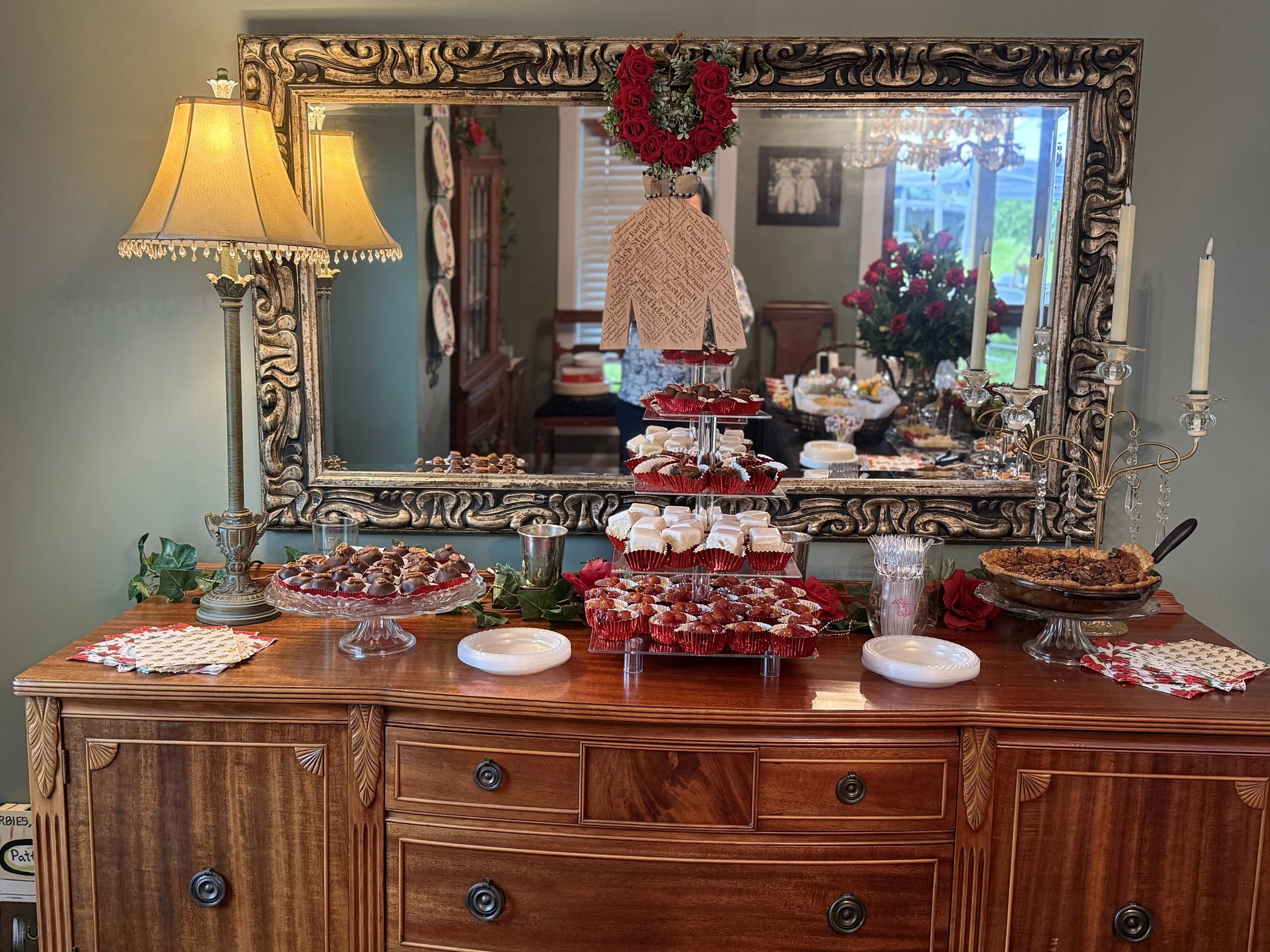
To folks outside Kentucky, the Derby is just a blaze of color and thunder—the most exciting two minutes in sports, marked on calendars for the first Saturday in May. But for those of us who call Kentucky home, the Derby isn’t just a date or a stopwatch. It’s a season all its own.
That season stirs awake weeks—sometimes months—before a single hoof hits the track. Anticipation builds in quiet ways: whispers about likely winners, careful study of bloodlines, plans for gatherings, the pressing of linens, the hunt for just the right hat. Across Louisville and the rolling hills of Central Kentucky, the celebration swells into days of parades, backyard parties, and long tables set with silver cups and sprigs of mint. Yes, it’s about horses and silks, but it’s also about bourbon poured with a generous hand, food prepared with love, and deciding just where and with whom you’ll mark the occasion.
By the time the gates spring open for the Run for the Roses, the story’s already well underway.
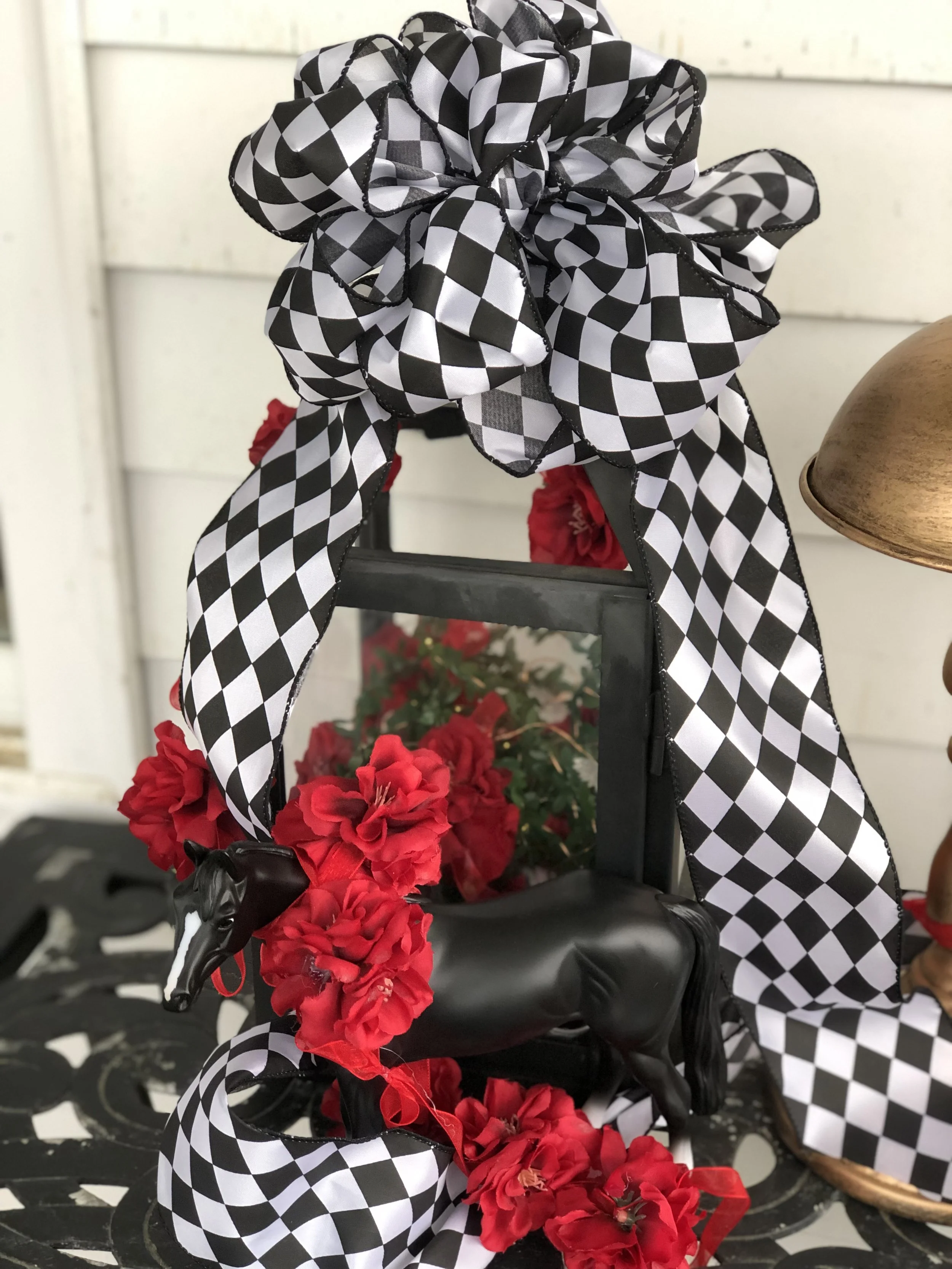
Here in Kentucky, the Derby is more than a race. Bourbon is more than a drink. And you can’t have one without the other. Racing, bourbon, and fellowship—together they form a kind of Kentucky trinity, rooted in patience, craftsmanship, and the simple pleasure of gathering together.
How did a single horse race grow into something so much larger—a rhythm that blends sport, spirit, and community into what we call the Kentucky trifecta?
Long before the Derby became what it is today, Kentuckians had a knack for turning any patch of pasture into a racetrack. Folks would bring their sturdy farm horses—strong and spirited—to run for bragging rights and a bit of pocket change. Back then, those races stretched a mile and a half, and the thrill of hoofbeats pounding down a dirt straightaway could draw a whole crowd from miles around. Those horses worked hard in the fields all week, then showed their heart on the weekend, and it didn’t take long for the love of racing to take root in Kentucky soil.
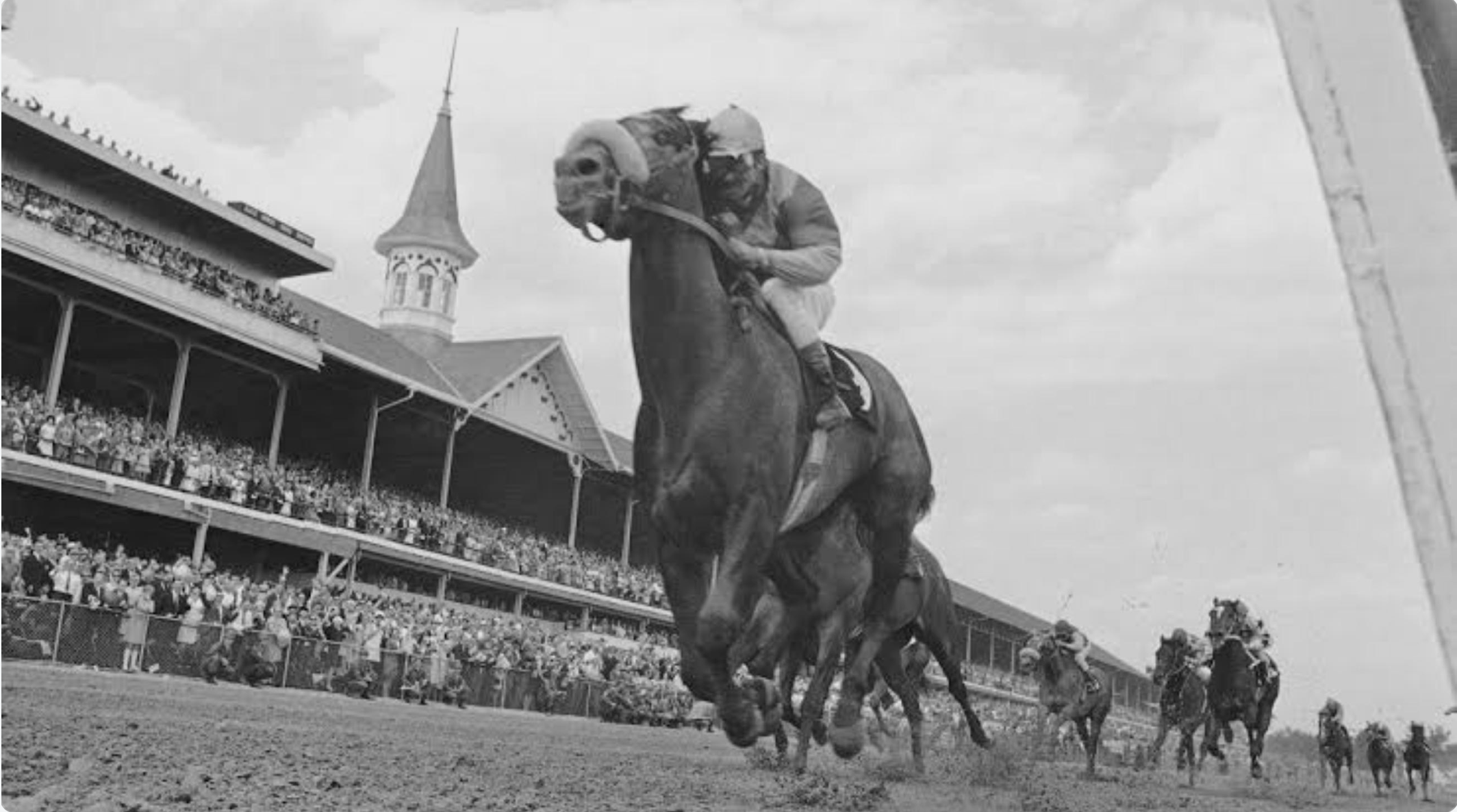
As time went on, finer horses started coming over from across the ocean, and the races grew a little grander. Men like Henry Clay and Andrew Jackson, who’d argue politics by day, would stake their pride—and a fair bit more—on the outcome of a good race. Lexington soon earned its title as the “horse capital of the world,” a name that has never quite let go.
Then came Meriwether Lewis Clark, Jr., who, after seeing the splendor of the Epsom Derby and Grand Prix de Paris, dreamed up something grand back home. He leased land from his uncles, the Churchills, and in 1875, nearly 10,000 folks gathered for the first Kentucky Derby at the Louisville Jockey Club. The winning horse, Aristides, was ridden by African-American jockey Oliver Lewis, and a tradition was born. By 1894, Churchill Downs boasted its iconic twin spires, and the Derby distance settled at a mile and a quarter.
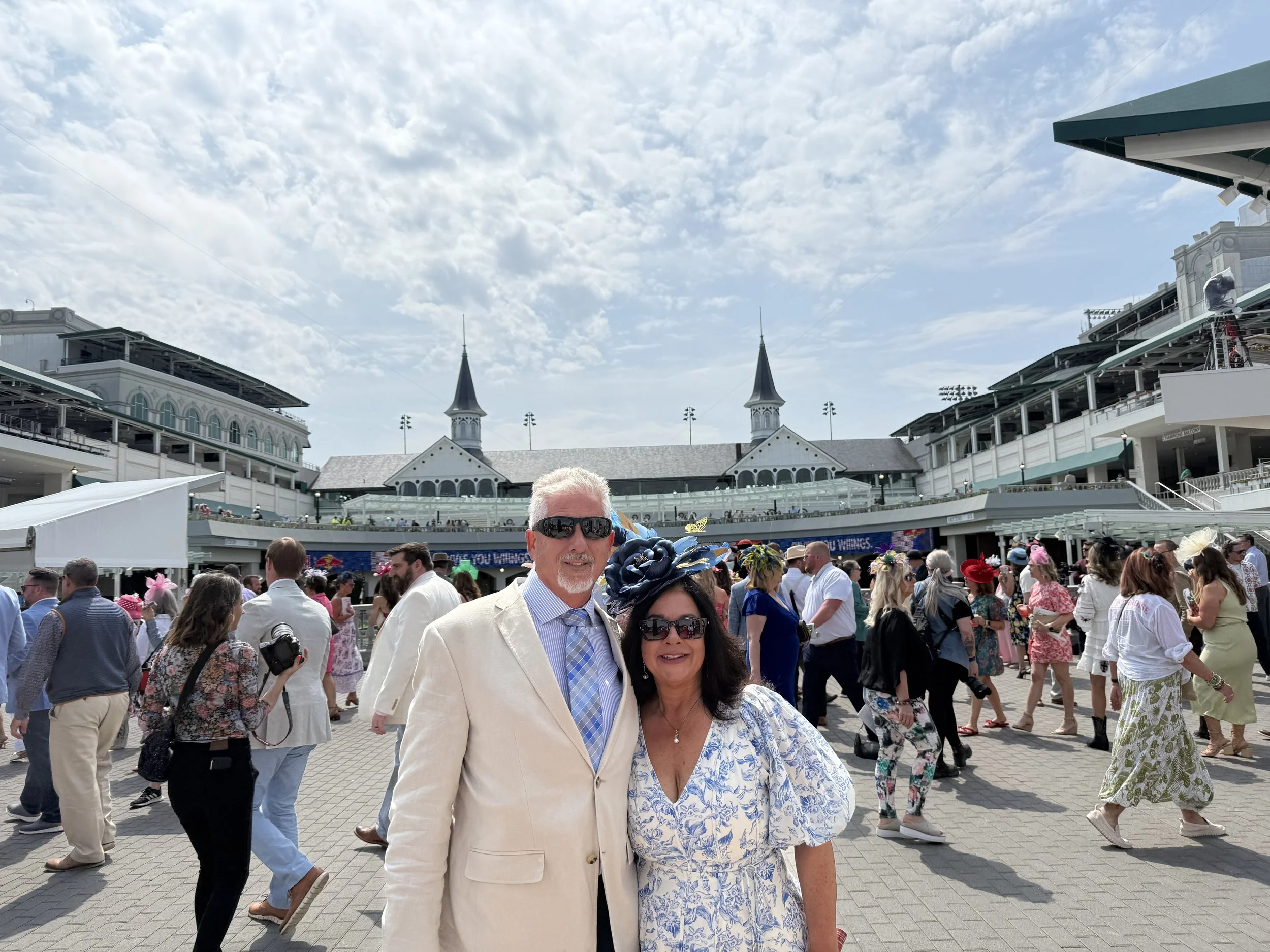
Though it officially began as the Louisville Jockey Club and Driving Park Association, the name that endured was the one the people chose. As crowds gathered beneath those newly built twin spires, folks around town and reporters alike began calling it Churchill Downs—borrowing the family name of the landowners and letting it roll naturally off the tongue. By the time it was formally adopted in 1937, the name had already taken root. Churchill Downs wasn’t just a racetrack anymore; it was becoming a symbol, spoken with the same familiarity as the roses and the juleps that would come to define it.
Yet for many of us, the magic isn’t just in the race, but in the moments before—when the horses parade to the gate and “My Old Kentucky Home” floats through the air. That song will put a lump in any Kentuckian’s throat. No other race in America pauses so long for its post parade; we make sure every verse is played.
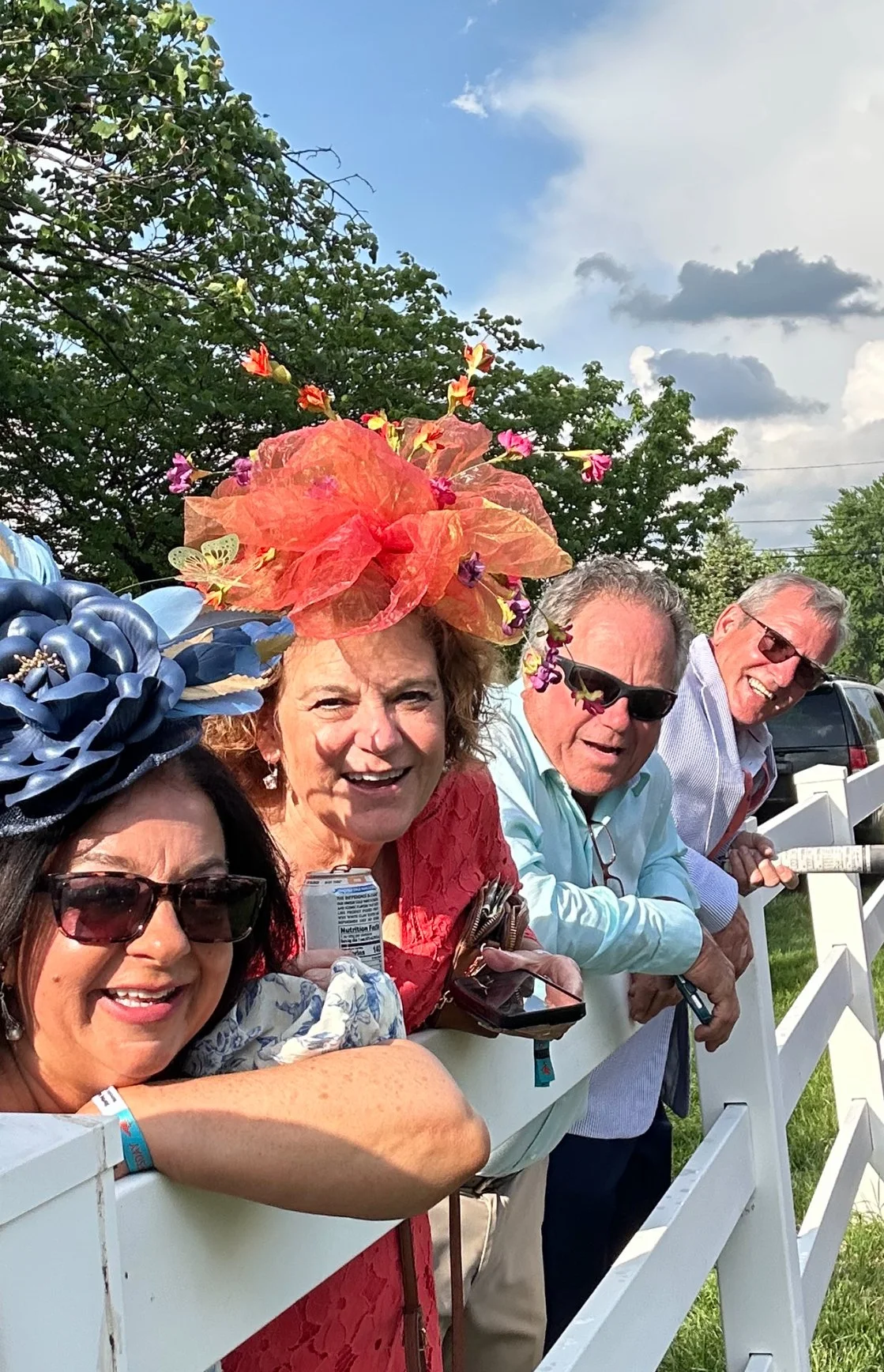
As for bourbon—well, it was always destined to be part of the story. The first racetrack around here circled the Hope Distillery in 1827, long before Churchill Downs. Farm-distillers, with their surplus corn and copper stills, boasted about their whiskey and their horses in equal measure. Over the years, the two grew up together. These days, bourbon lovers wait for Woodford Reserve’s annual Derby bottle, each one adorned with fresh artwork, as eagerly as they count down the days to the race itself.
And then there’s the Mint Julep—a glass of Kentucky in hand. Tales swirl about Henry Clay bringing the julep to Washington, muddling mint and sugar with bourbon and ice until the cup frosts over. Yet just as legendary is John Dabney, a man who was born enslaved and who, through skill and determination, became a celebrity bartender at Sweet Springs Resort. Dabney’s “Hail-Storm” juleps—so named for the finely pounded ice he insisted upon—became the talk of the South, garnished with a lush bouquet of mint, berries, and citrus. His story is a testament to resilience and artistry, woven right into the Derby’s fabric. It wasn’t until 1877, when Polish actress Helena Modjeska sang the julep’s praises at the Derby, that the drink captured the broader public’s imagination. Today, whether it’s Old Forester or Woodford Reserve, Derby just wouldn’t be Derby without the julep’s sweet chill.
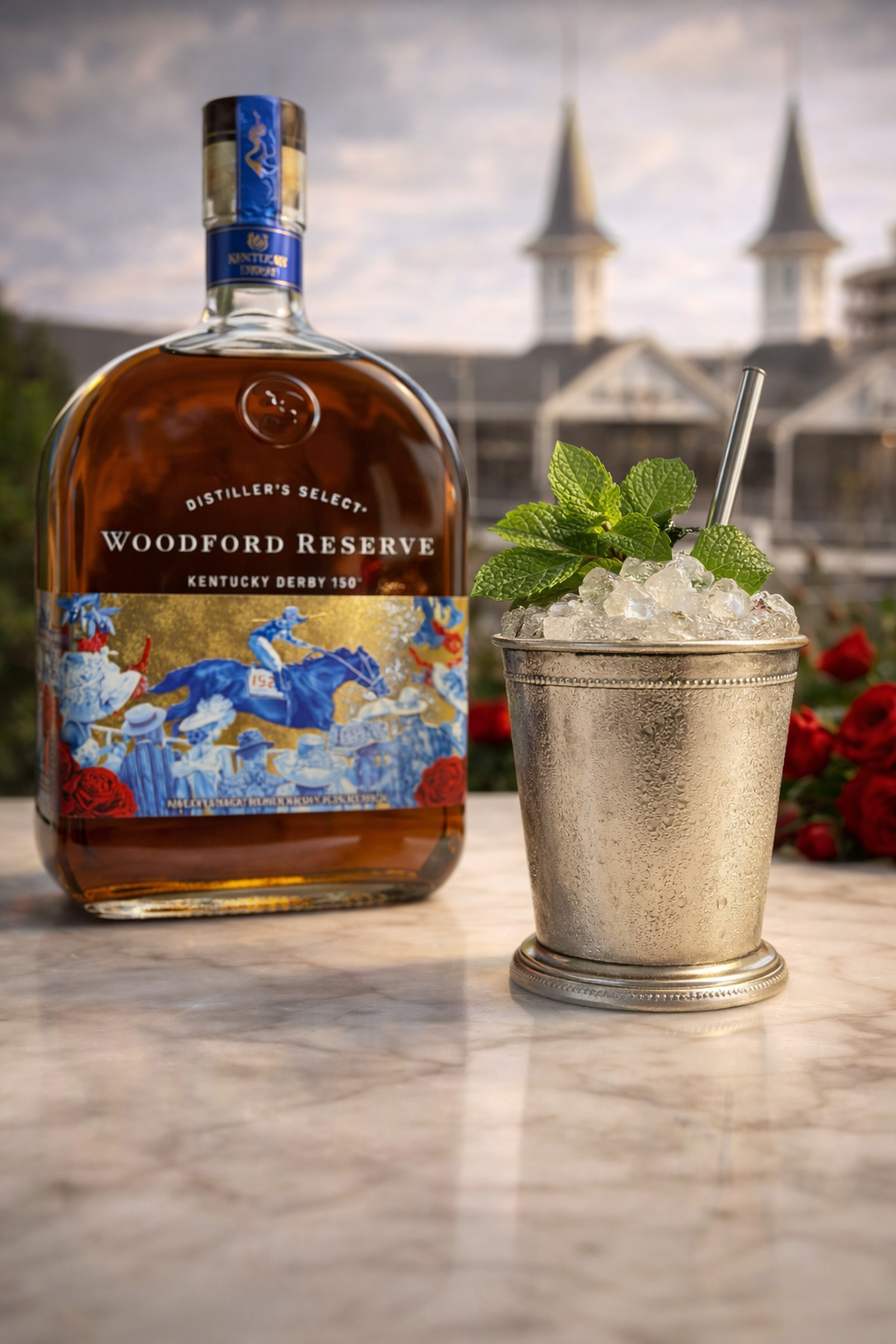
But how did a gritty racing crowd come to host one of the South’s grandest social affairs? Meriwether Lewis Clark, Jr. wanted the Derby to rise above its rough-and-tumble roots, so he invited Louisville’s ladies to don their best dresses, hats, and parasols for a day at the races. What started as a genteel picnic became a showcase of style. Over time, tradition gave way to spectacle: hats grew taller, brims wider, flowers brighter. By the 1960s, as the Derby beamed into living rooms nationwide, women’s hats transformed from custom to cultural icon—each one a statement of creativity, confidence, and joy.
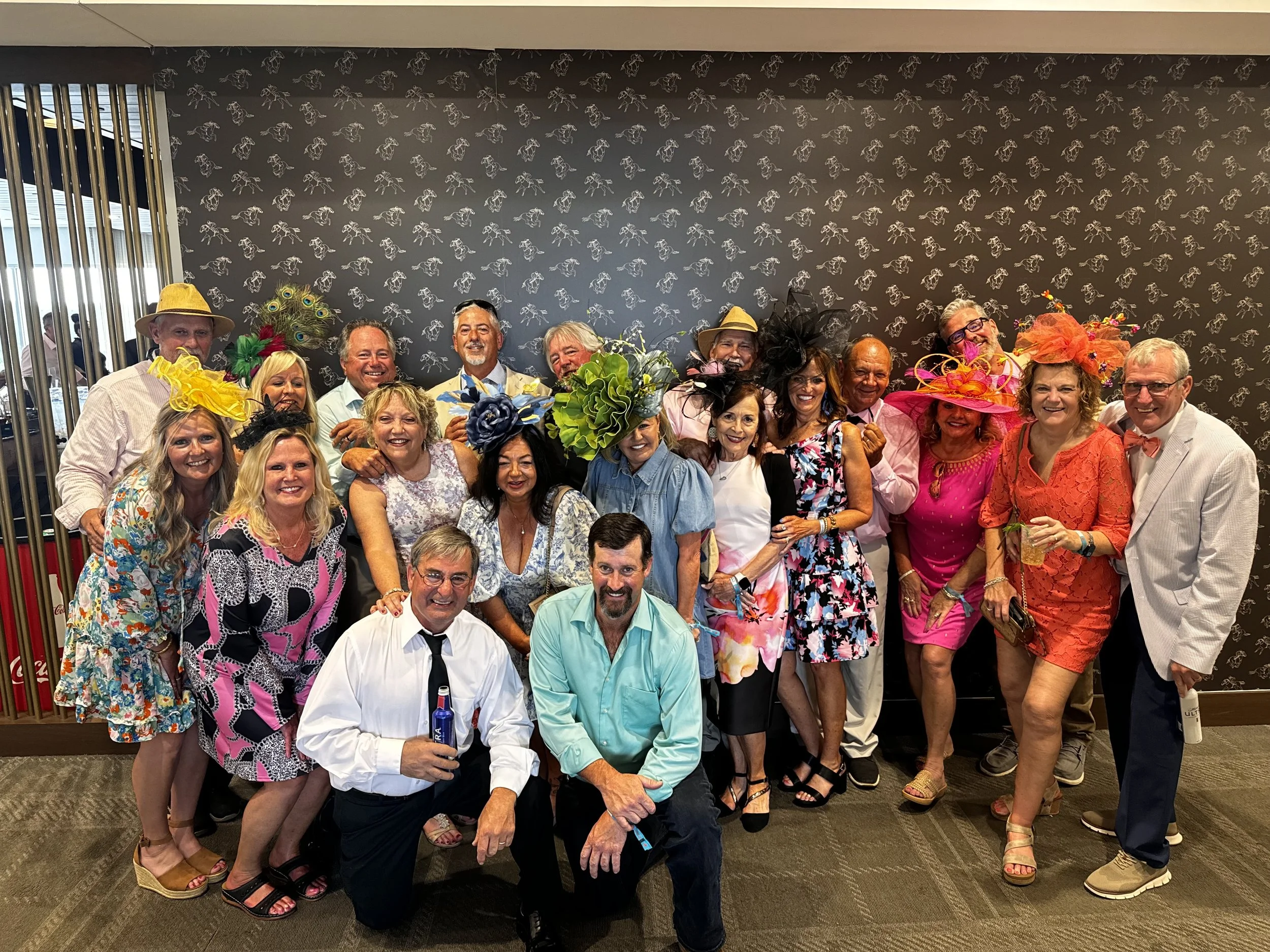
Every year, Kentuckians—especially the women—look forward to finding that perfect hat, whether it’s homemade or a work of art from a famous milliner. It’s less about etiquette these days, more about personal expression, and the tradition only grows richer with each passing Derby.
Though we now call it the “Run for the Roses,” that iconic garland was not part of the Derby’s earliest days. The tradition traces back to the 1880s, when Meriwether Lewis Clark, Jr. reportedly adorned a Derby party with roses, enchanting guests and planting the seed for what would become the race’s official bloom. It wasn’t until 1896 that a blanket of roses was first draped across a champion—Ben Brush—marking the beginning of a new ritual. By 1904, the red rose was formally named the Derby’s official flower, and over time it became the race’s most enduring symbol. What began as a simple flourish of hospitality evolved into a crown of victory—one now as inseparable from the Derby as the twin spires themselves.
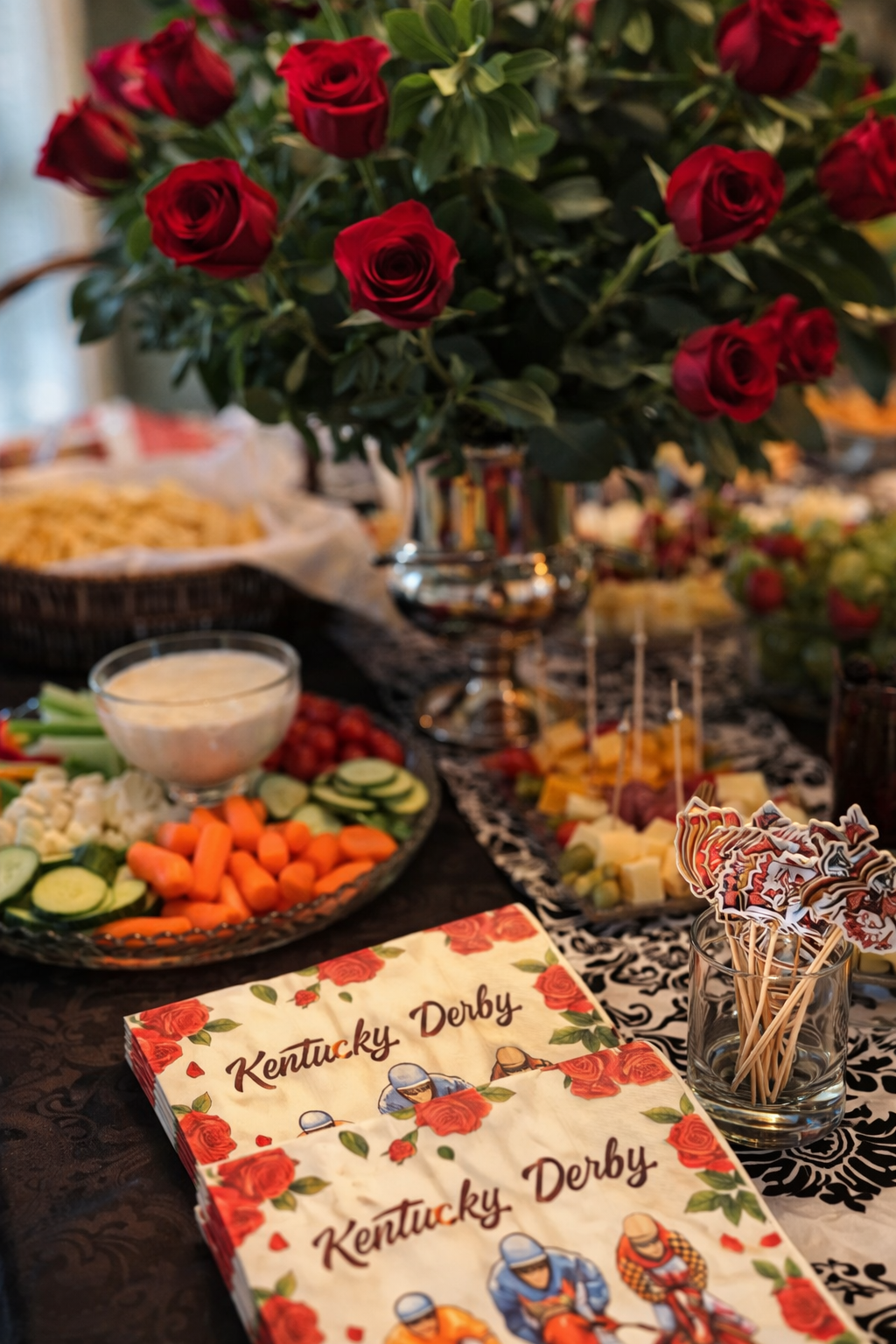
In modern times, the Derby season starts nearly two weeks early, with events like Sunday Funday, Dawn at the Downs, 502’s Day, and Thurby leading up to the main event. Each day has its own special flavor, but the common thread is gathering—on front porches, under barn beams, along Main Street tables, and beneath backyard string lights. Silver cups clink, TVs glow out on the lawn, and nobody celebrates alone—not from Pikeville to Paducah.
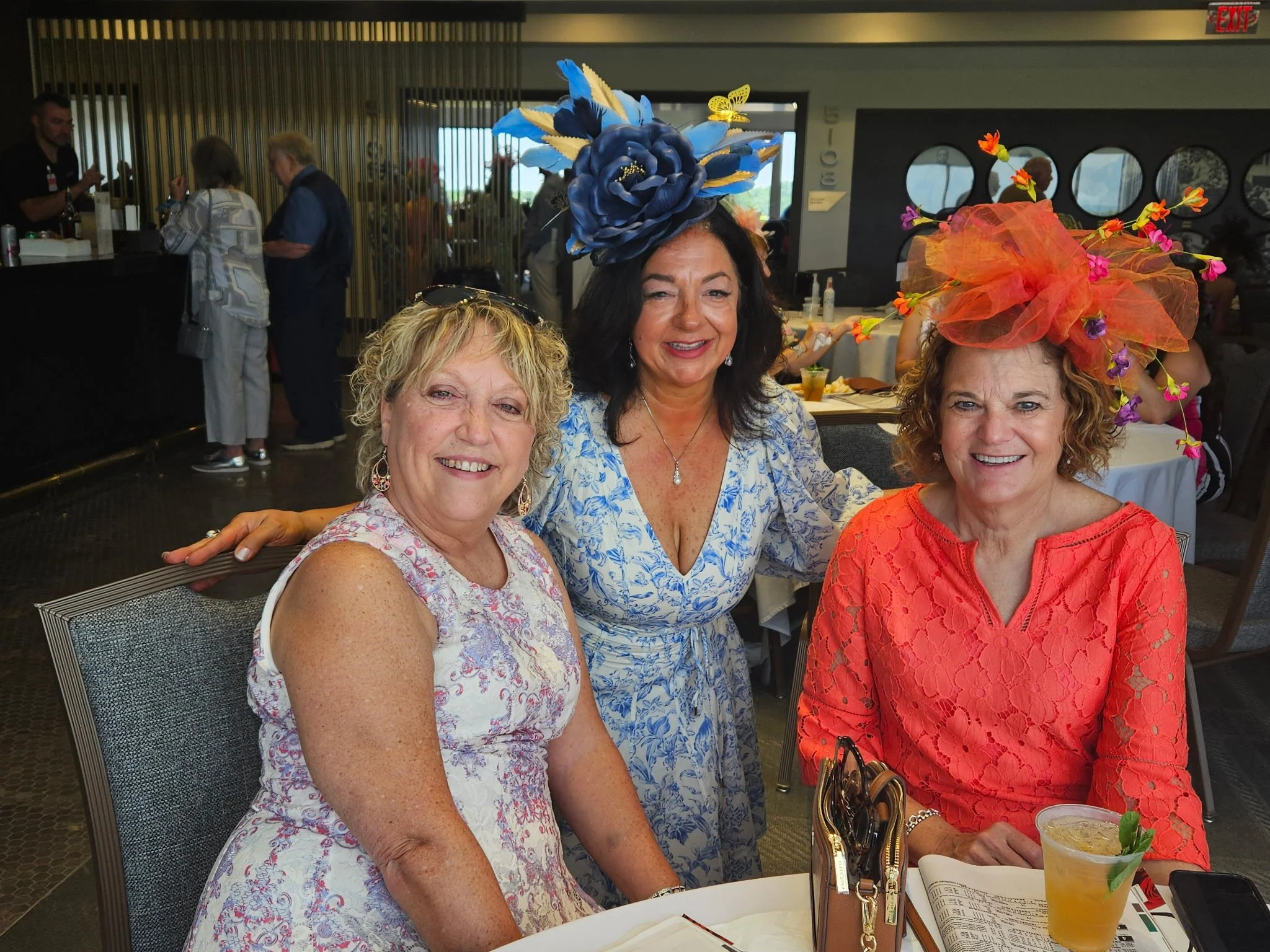
Because while the race itself may only last two minutes, Derby season is measured in stories, laughter, shared bottles, and familiar faces. The horses draw us in, the bourbon warms our hands, but it’s the fellowship that holds it all together.
When the winner thunders past the wire and roses are draped over his withers, the crowd will roar and glasses will rise. The race may be decided in two minutes flat, but the meaning—the patience, the craft, the shared tables—lingers long after the roses wilt and the track grows quiet. Stories are told out on porches, at backyard tables, and in the hush of the evening when the crowd has gone home.
We come for the race. We raise a glass for the bourbon. We stay for each other. That’s the Kentucky trifecta—racing, ritual, and fellowship. And that’s what makes Derby season a thing all its own, year after year.