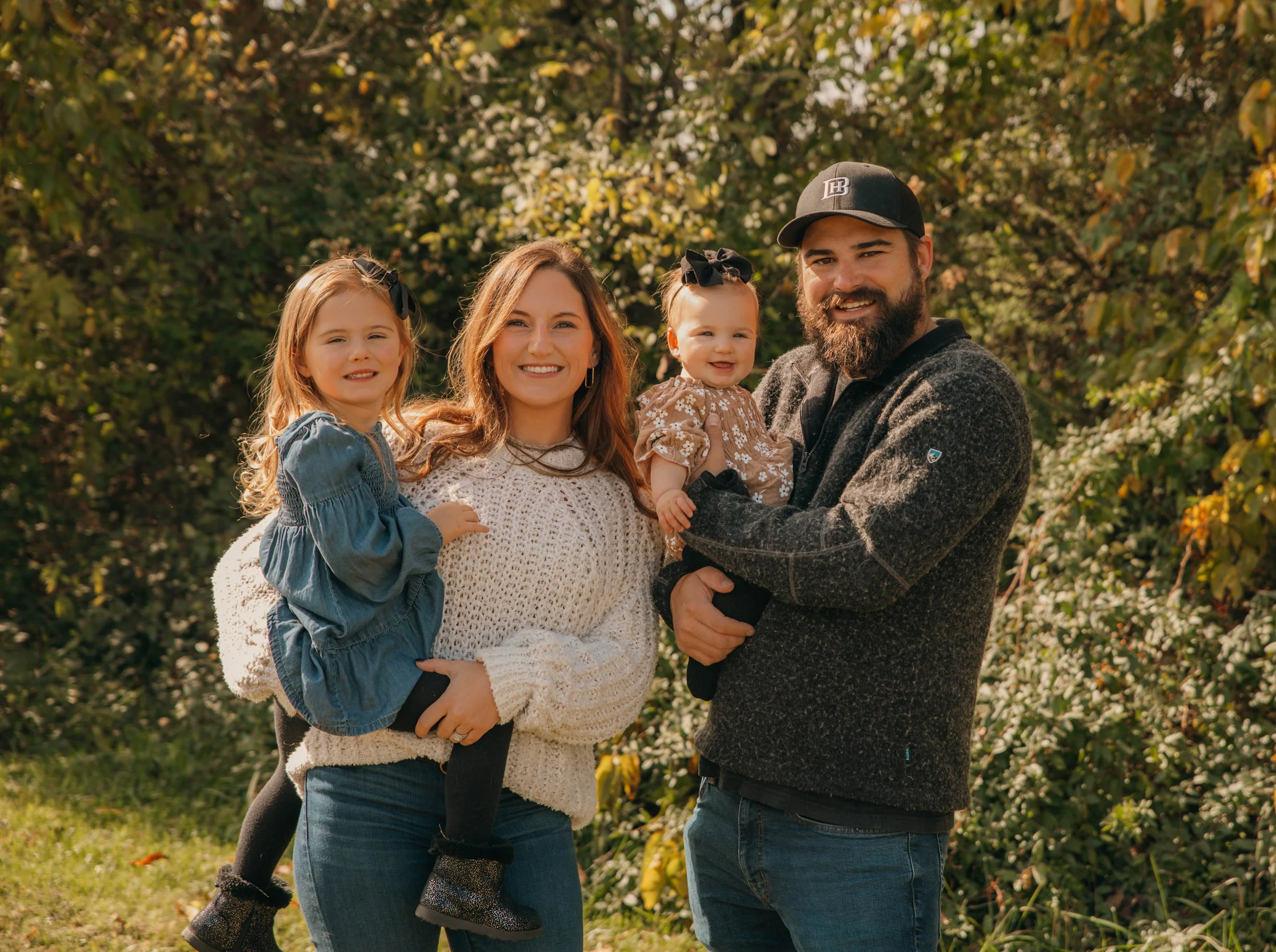
When Matt King first walked through the doors of Leiper’s Fork Distillery, he brought with him a quiet confidence, a thirst for learning, and a perspective sharpened by years spent in the world of wine. What stood out most wasn’t just his talent — it was a sense of responsibility, the kind that doesn’t fade when the romance of a new role wears off. Now Director of Operations at The Blending House, Matt’s journey through the ranks of Tennessee’s spirits industry has been shaped by hard-won experience, a commitment to merit, and a belief in earning respect the long way — from the bottom up.
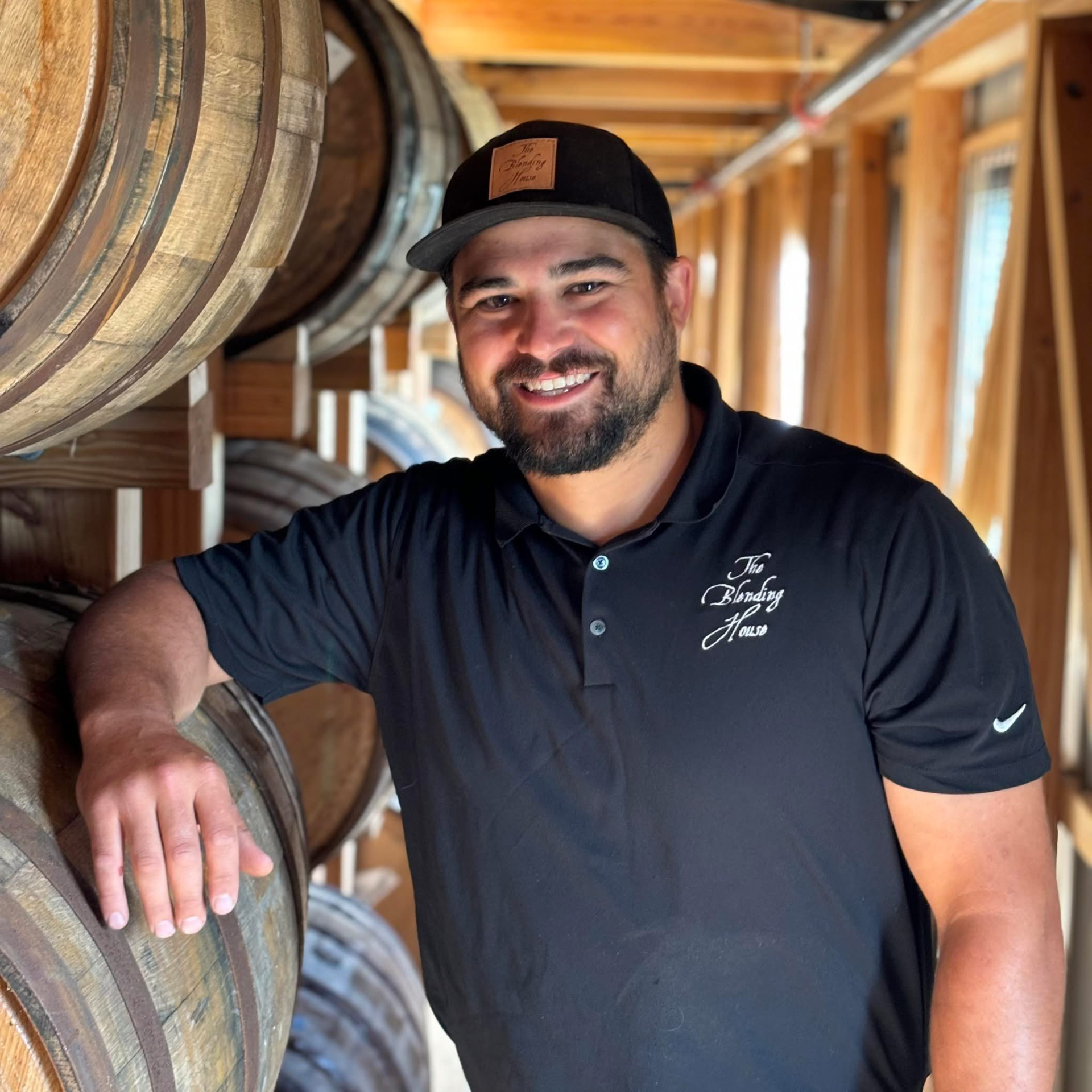
In this conversation, Matt reflects on what it means to build a legacy without shortcuts or favor, especially as a father thinking about the next generation. He speaks candidly about the difference between being included and being underestimated, the lessons you can’t teach from a textbook, and the responsibility leaders hold to make space for real talent, not just familiar names.
What follows is less a standard interview and more a meditation on craft, character, and the complicated pride of wanting more for your children — not just opportunity, but the freedom to forge their own way, even if it means surpassing you. Through Matt’s words, we’re reminded that in an industry built on tradition, the real story is always evolving — and the truest legacy is the one redefined with every new hand at the still.
On Craft & Foundation
BB: When you think about your daughter entering this industry, what do you hope she falls in love with first — the romance of it, or the responsibility of it?
MK: I’d want her to fall in love with the responsibility first. The romance fades on hard days especially when we are tired. Responsibility is what keeps you showing up.
BB: If she chose distilling, would you want her to start at the bottom, as you did—or would your perspective as a leader shape that differently?
MK: I’d still want her to start at the bottom. Not as punishment—but because that’s where respect is built and where the work actually teaches you. I think building that foundation would build a better path for her own creativity to shine through in her distilling and blending, adding her lasting fingerprint on this industry.
BB: What parts of this craft can’t be taught in a classroom — and how would you teach them to her?
MK: Patience, instinct, and respect can’t be taught in a classroom. I’d teach those by putting her in real situations—letting her make decisions and live with the outcome. We might not always be right, but we can always learn. We may never be perfect, but we can be honest and true to our own standards and that is the story I want my daughters to tell.
BB: What is one mistake you made early on that you would want her to make for herself anyway?
MK: Advocating for yourself, not by overcorrecting and trying to prove too much, but by feeling insecure or imposter syndrome. It’s a mistake you have to make to understand that confidence doesn’t come from force—it comes from consistency.
On Standards & Merit
BB: If your daughter sat at the tasting table, how would you want her voice to be heard — as your daughter, or as a distiller in her own right?
MK: As a distiller. If her voice carries weight, it should be because it’s earned—not inherited. I hope the biggest uphill battle my daughters face is that I set a bar for them to try and overcome and rightfully I believe they will because of their talent and not because anyone ever questions their ability. Because I hope my wife and I raise them to be hard working, relentless, and strong.
BB: What does “earning authority” look like in a modern distillery, regardless of gender?
MK: It looks like consistency over time—making good calls, owning bad ones, and being trusted when no one’s watching.
BB: How do you ensure that your position opens a door for her—but doesn’t become the reason she’s kept in the room?
MK: By stepping back. Open the door once—but never speak for her inside the room. I think it’s important for my daughters to understand hard work and the grind it takes to have those doors open and the relationships they will have to build for themselves to stay in the room.
BB: Do you worry more about her being overlooked—or overcorrected for? How should that be handled?
MK: Probably underestimated. That’s more dangerous long-term. The answer is simple: let the work speak, and don’t rush to defend—let performance correct perception. I don’t have a generational name in this industry or a background at the heritage distilleries, but I hope my reputation keeps me from Being overlooked and over corrected. I’ve had both happen in my career, even recently, and my response is to prove that I’ve been underestimated.
BB: What earns respect faster in a still house—time, knowledge, or how you carry yourself—and would that answer be the same for her?
MK: How you carry yourself earns respect fastest—but it has to be backed by knowledge and time. It shouldn’t be something that is dictated other than merit and hard work. I hope my daughter walks into a stillhouse and is feared because she can run circles around everyone but is respected at a level that it raises the team that surrounds her. A true badass.
BB: From a leadership perspective, how do you guard against advancement—whether too fast or too slow—being shaped by perception rather than performance?
MK: By creating clear standards that apply to everyone—and sticking to them, even when it’s uncomfortable. Advancements should be earned by merit.
BB: How do you balance mentoring someone you care about with maintaining credibility among the people who report to you?
MK: By being transparent and consistent. If others see fairness in how you treat everyone, credibility holds and respect is earned.
On Standards & Merit
BB: If your daughter sat at the tasting table, how would you want her voice to be heard — as your daughter, or as a distiller in her own right?
MK: As a distiller. If her voice carries weight, it should be because it’s earned—not inherited. I hope the biggest uphill battle my daughters face is that I set a bar for them to try and overcome and rightfully I believe they will because of their talent and not because anyone ever questions their ability. Because I hope my wife and I raise them to be hard working, relentless, and strong.
BB: What does “earning authority” look like in a modern distillery, regardless of gender?
MK: It looks like consistency over time—making good calls, owning bad ones, and being trusted when no one’s watching.
BB: How do you ensure that your position opens a door for her—but doesn’t become the reason she’s kept in the room?
MK: By stepping back. Open the door once—but never speak for her inside the room. I think it’s important for my daughters to understand hard work and the grind it takes to have those doors open and the relationships they will have to build for themselves to stay in the room.
BB: Do you worry more about her being overlooked—or overcorrected for? How should that be handled?
MK: Probably underestimated. That’s more dangerous long-term. The answer is simple: let the work speak, and don’t rush to defend—let performance correct perception. I don’t have a generational name in this industry or a background at the heritage distilleries, but I hope my reputation keeps me from Being overlooked and over corrected. I’ve had both happen in my career, even recently, and my response is to prove that I’ve been underestimated.
BB: What earns respect faster in a still house—time, knowledge, or how you carry yourself—and would that answer be the same for her?
MK: How you carry yourself earns respect fastest—but it has to be backed by knowledge and time. It shouldn’t be something that is dictated other than merit and hard work. I hope my daughter walks into a stillhouse and is feared because she can run circles around everyone but is respected at a level that it raises the team that surrounds her. A true badass.
BB: From a leadership perspective, how do you guard against advancement—whether too fast or too slow—being shaped by perception rather than performance?
MK: By creating clear standards that apply to everyone—and sticking to them, even when it’s uncomfortable. Advancements should be earned by merit.
BB: How do you balance mentoring someone you care about with maintaining credibility among the people who report to you?
MK: By being transparent and consistent. If others see fairness in how you treat everyone, credibility holds and respect is earned.
On Culture & Change
BB: The public story of whiskey has often centered on men, yet archival records show women active in ownership, distilling, and brand stewardship for centuries. Why do you think the narrative evolved that way, and what shaped which names endured?
MK: History was written by those with visibility and power. Women were present—but often not documented or credited. The narrative followed the loudest voices, not the full truth. However, I think with information we can share those stories more accurately.
BB: Do you believe the greater challenge for women today is being excluded outright—or being included, but underestimated?
MK: Today, it’s more about being included but underestimated. The door is open—but expectations still lag behind reality.
BB: What responsibility do leaders have in shaping an environment where women succeed based on skill—and how do you see that responsibility in your own role?
MK: Leaders set the tone. If standards are real and enforced equally, people rise on merit. If not, bias fills the gaps.
BB: Over the course of your career, what has truly changed in this industry—and what has simply learned how to present itself differently?
MK: What’s truly changed is the level of transparency, innovation, and consumer expectation—people now care deeply about ingredients, process, and authenticity. What hasn’t changed is the core appeal of storytelling and craftsmanship; the industry has just become much more strategic in how it presents those same narratives and the people that represent those brands.
BB: Historically, women were involved in distilling and ownership, but often without formal titles or public credit. Do you believe today’s industry is better at recognizing authority with titles and leadership roles—and what still determines who is taken seriously?
MK: Titles are better now—but credibility is still earned the same way: consistency, results, and how others trust your judgment.
BB: Have you ever had to check your own assumptions about who belongs in the still house?
MK: Yes. Everyone has assumptions and first impression, regardless of gender. The responsibility is recognizing them—and correcting them quickly.
BB: Would you be more protective of a daughter in this business than a son? Why?
MK: Honestly, yes. Not because she’s less capable—but because I know the pressures she might face will be different.
On Fatherhood & Industry
BB: If she decided to leave the industry after seeing it up close, what would that tell you?
MK: It would tell me she made her own decision based on her own experiences. That’s a success, not a failure, and I would be proud of her for making that decision.
BB: What would make you most proud — that she carries your name in distilling, or that she surpasses you?
MK: That she surpasses me. I will always want more for my daughters than myself.
BB: If she did not love the craft the way you do, would you still want her in it?
MK: No. This work is too demanding to do without loving what you are doing everyday. I hope whatever she decides to do, she loves it. I get to go to work, I don’t feel like I’m forced to wake up and work.
BB: How do you separate pride in her from expectation of her, especially in a field you understand so deeply?
MK: By reminding myself that her path isn’t mine. Pride is about who she becomes—not whether she follows me.

Craft & Calling
BB: What does passion for distilling actually look like early on a cold morning in the still house? MK: It looks like showing up early, paying attention to small details, and caring about things no one else sees yet. It’s about working through today while thinking about 4-10 years in the future of what that hard work will have looked like in a barrel. It’s remembering that what you do today is just the start of that journey and hard work.
BB: If she walked into the still house for her first real day of work, what would you want her to notice that most people miss?
MK: I’d want her to notice the quiet signals—the smell shifts, the rhythm of the pumps and boiler, how experienced people move without rushing. That’s where real understanding lives.
BB: If she chose to approach the craft differently than you’ve seen it practiced—different methods, different philosophy—how difficult would it be to support that, even if you disagreed?
MK: It would be difficult—but necessary. The craft evolves when someone is willing to challenge it and I would be honored to learn that from my daughters.
BB: What would you say to a father who wants his daughter in the industry for optics rather than aptitude?
MK: I’d tell him the industry isn’t a stage. If she doesn’t have the aptitude or desire, it will expose that quickly—and unfairly to her.
Legacy
BB: At what point does a legacy stop being something a daughter inherits—and becomes something she has the right to redefine?
MK: The moment she proves she can stand on her own decisions. That’s when it stops being inheritance and becomes ownership.
BB: If she chose to do things differently than you—different methods, different philosophy—how difficult would it be to step back and let her?
MK: Letting go is the hardest part of leadership and fatherhood. But if she’s earned it, stepping back isn’t optional—it’s required.
Legacy, in the world Matt King describes, isn’t handed down like a family recipe or a last name etched onto a barrel. It’s built with every decision, every early morning, every risk taken for the sake of the work itself. What Matt wants for his daughters—and for anyone stepping into the still house after him—isn’t just a seat at the table, but the chance to make that table their own.
The real inheritance is the freedom to question, to experiment, and even to outgrow the path that was set before you. That kind of legacy isn’t about preserving tradition for its own sake—it’s about honoring the spirit behind it, and trusting the next generation to push it further. In Matt’s eyes, the story of craft is always being rewritten, and the truest respect you can show the past is to give the future room to surprise you.