
Editor’s Note: This article is the first installment in The Story Before the Barrel, a six-part series exploring the agricultural, historical, and scientific roots of American whiskey. Together, we’ll trace bourbon’s story from the field to the barrel, examining the people, places, and traditions that shaped America’s native spirit.
If you’ve followed In the Glass & Beyond for very long, you know I enjoy asking questions as much as answering them. Sometimes those questions begin with history. Sometimes they begin with a glass of bourbon shared among friends. Occasionally they begin with me standing in a field in Kentucky, watching the wind move through rows of corn.
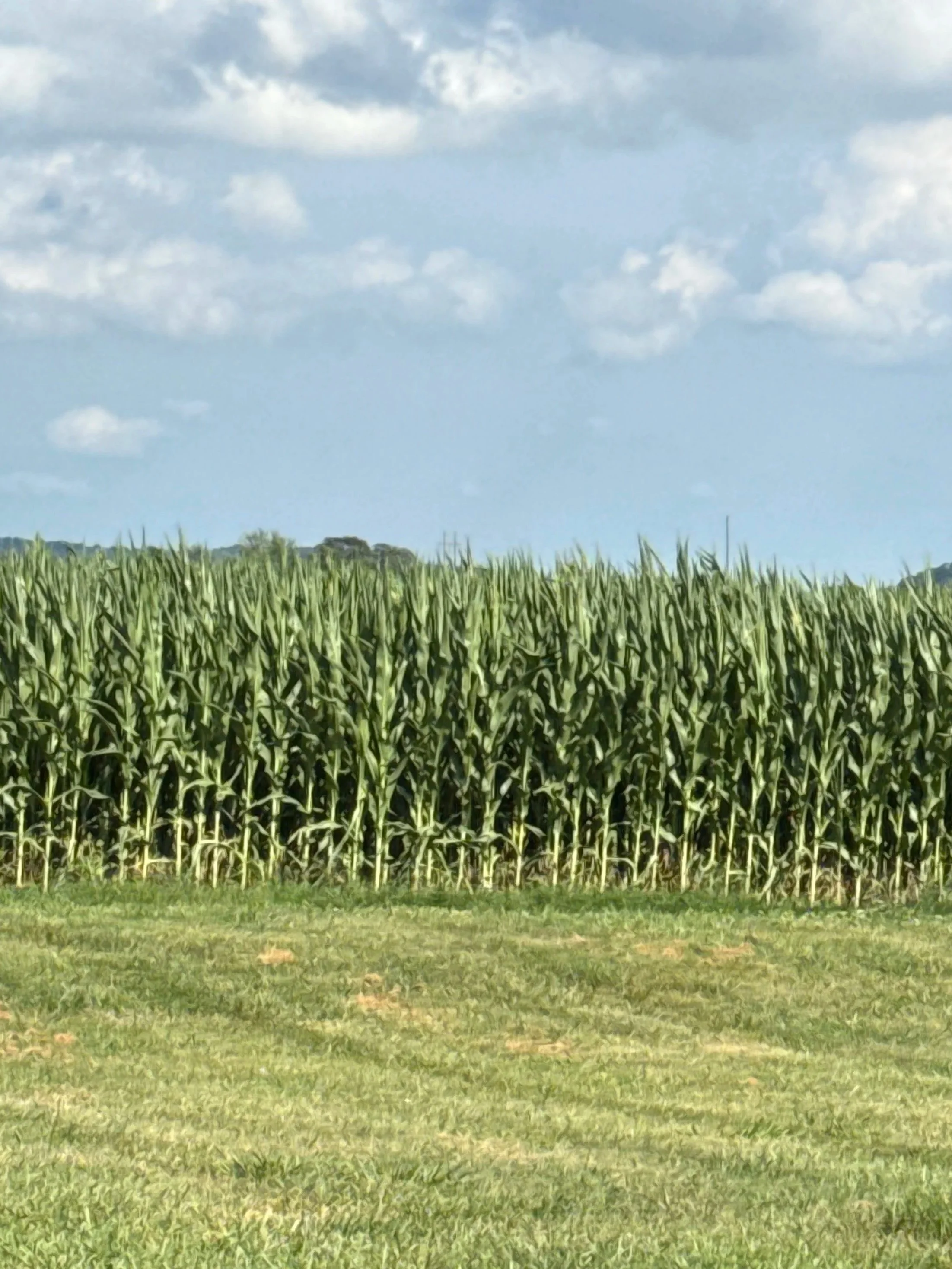
Recently, one question has stayed with me: Have we forgotten where bourbon begins?
Over the coming weeks, I’d like to invite you to join me on a journey that reaches far beyond the rickhouse. Together, we’ll explore how Native American agriculture shaped the grain that became America’s native spirit, how frontier farmers transformed harvests into whiskey, how industrialization changed the landscape of bourbon, and why a growing number of distillers are once again looking to the soil for answers.
Along the way, we’ll examine history, agriculture, science, and tradition. Some articles may challenge long-held assumptions. Others may simply encourage us to look at bourbon from a different perspective.
Whether you ultimately believe terroir belongs in the whiskey conversation isn’t really the point.
The point is understanding the remarkable journey that takes place before bourbon ever reaches the barrel.
Because before bourbon became an industry… …it was a harvest.
Welcome to The Story Before the Barrel.
There is something wonderfully romantic about a rickhouse. Towering rows of aging barrels. The sweet aroma of oak and whiskey drifting through weathered boards. Shafts of sunlight finding their way between the cracks as years quietly work their magic.
Perhaps that’s why, when we tell the story of bourbon, we so often begin there.

Or maybe we begin with a master distiller discussing mash bills and yeast strains. We debate proofs, compare tasting notes, and admire the remarkable influence a barrel can have over time.
All of those things deserve our attention.
But they’re not the beginning of bourbon’s story.
Not really.
Long before a cooper bends oak into a barrel…
Long before a distiller fills a fermenter…
Long before the first drop of new make spirit flows from the still… Someone plants a seed.
That simple truth has stayed with me for months.
Bourbon is often called America’s native spirit, yet we rarely pause to consider that it is also an agricultural product. Every bottle begins with crops that spent months growing in a particular place, shaped by rainfall, sunshine, changing temperatures, healthy soil, and the countless decisions made by the people who farm the land. For centuries, the wine world has had a word for this relationship between agriculture and flavor.
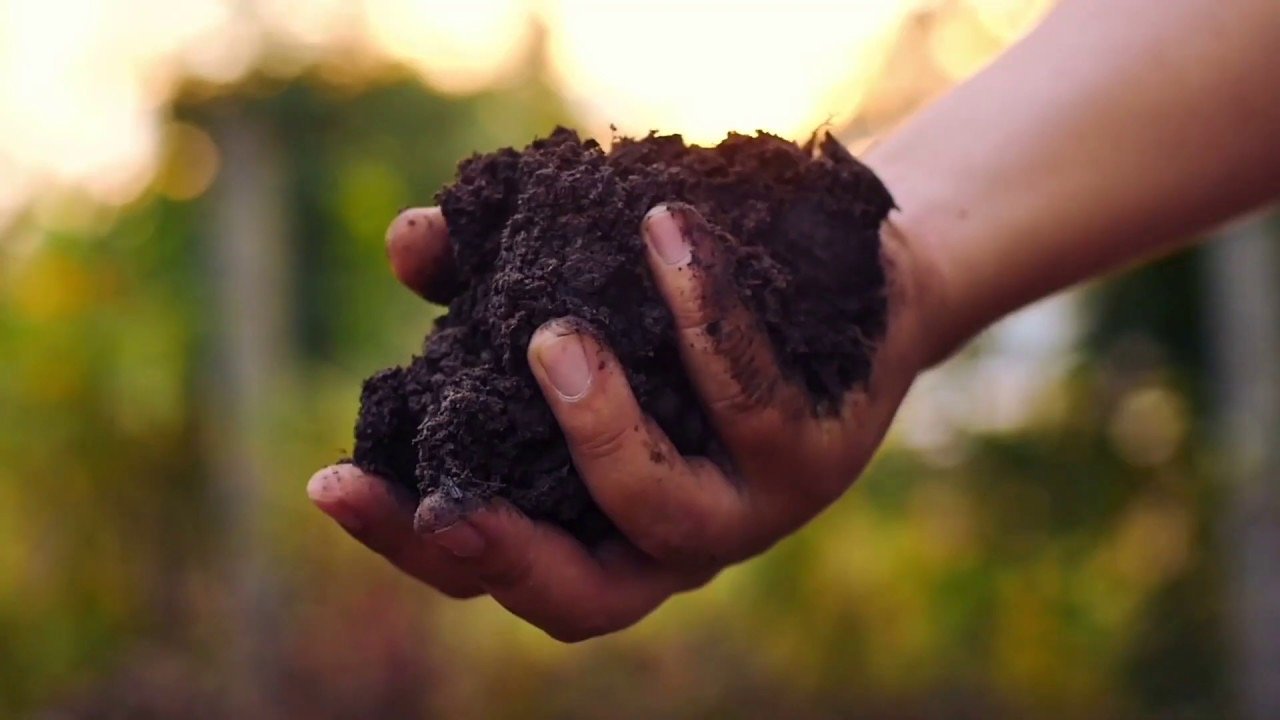
Terroir.
It’s a French term that speaks to the influence of place. Soil. Climate. Topography. Environment. The belief that where something is grown becomes part of what it ultimately becomes.
Wine has embraced that idea for generations.
Whiskey…not so much.
For much of bourbon’s history, we’ve assumed that fermentation, distillation, and years inside a new charred oak barrel erased whatever story the grain may have carried with it. We celebrated the artistry of the distiller and the influence of the barrel, often treating the grain as little more than the beginning of a recipe. Yet a quiet shift has been taking place.
Scientists are increasingly studying whether grain varieties and growing environments leave measurable differences in new make spirit. While the research continues to evolve, those questions are already reshaping conversations throughout the whiskey world. Craft distillers are reviving heirloom grains, working with local farmers, experimenting with estate-grown crops, and asking whether the character of a place survives the journey from field to glass. Ironically, this may not be a new idea at all.
It may be a return to one.
Long before whiskey became an industry, distilling was simply part of farming. Families worked with the grain they could grow, the water that flowed nearby, and the changing seasons that either blessed or humbled every harvest. Their whiskey reflected the landscape because they had little choice. The idea we now call terroir was simply everyday life.
That doesn’t mean those early farmers talked about terroir. They didn’t. Most would never have imagined using a French word to describe their fields. They simply knew that some ground yielded better corn than others, that one creek never tasted quite like the next, and that each growing season brought its own blessings and hardships. Modern language has given us a way to describe observations they accepted as everyday life.
As transportation expanded, agriculture modernized, and grain became a standardized commodity, consistency became both possible and desirable. Distilleries could rely on predictable ingredients and build brands recognized around the world. Bourbon benefited enormously from that evolution.
But every gain invites another question.
What, if anything, was left behind?
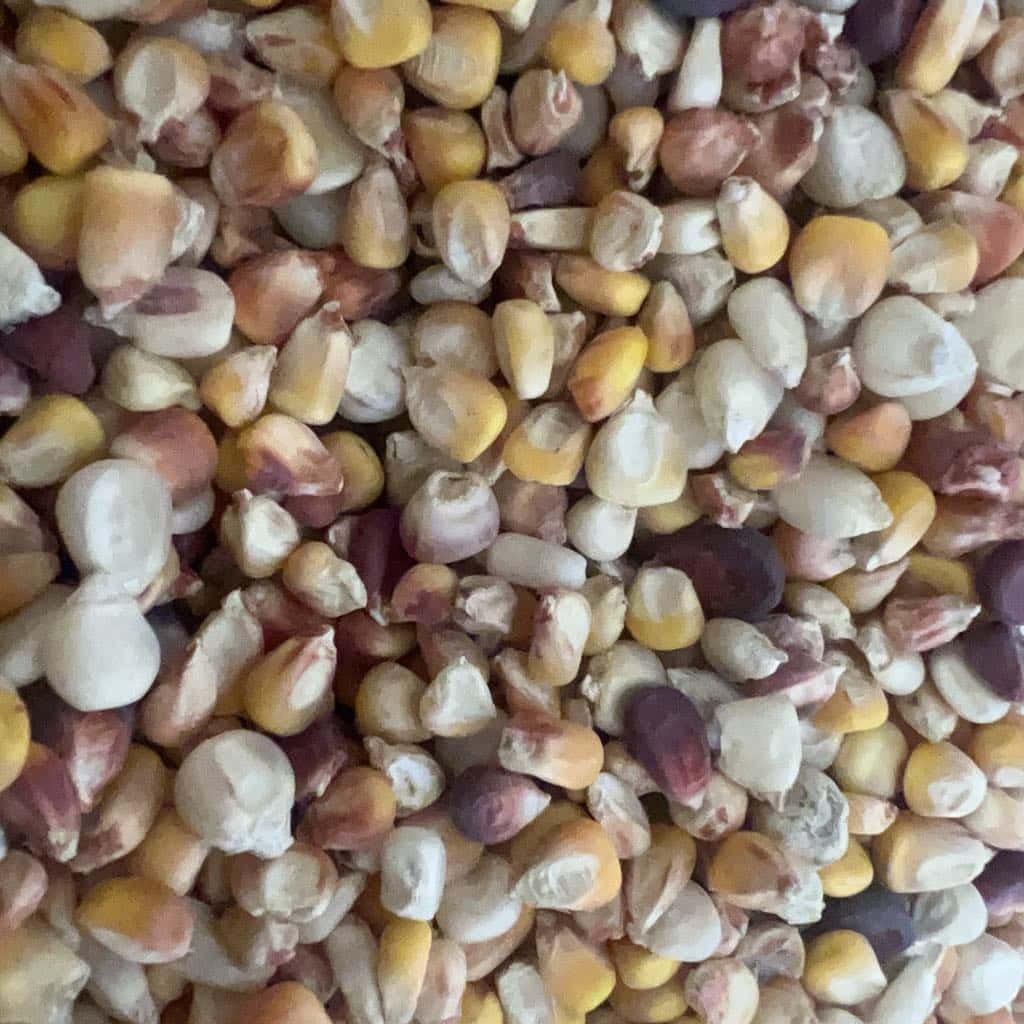
Perhaps that question matters today because we’re living in a moment when people increasingly want to know where their food comes from, who grows it, and how it’s produced. Maybe it’s only natural that bourbon enthusiasts are beginning to ask similar questions.
Not because consistency is wrong.
Not because tradition should be abandoned.
But because understanding where something begins often deepens our appreciation for what it becomes.
As someone who grew up in Kentucky, I’ve long appreciated that farmers see the world differently. They notice the subtle changes in a field after a heavy rain. They understand that one hillside may produce differently than another. They know that no two growing seasons are ever quite alike.
Those observations aren’t philosophical.
They’re practical.
Yet perhaps they also hold the first clues to bourbon’s story. Over the next several weeks, I’d like to explore that story with you. We’ll begin where bourbon truly begins, not in a rickhouse, but in the fields. We’ll meet the Native American farmers who transformed a wild grass into maize thousands of years before there was a Kentucky. We’ll walk alongside frontier families who distilled what the land provided because there was no alternative. We’ll examine how industrialization reshaped American whiskey, and we’ll discover why a growing number of distillers are once again looking back to the soil. Whether the answer ultimately confirms that terroir matters or simply reminds us that bourbon has always been an agricultural product, I suspect the journey itself will change the way we think about every glass we pour.
Because every bottle tells a story.
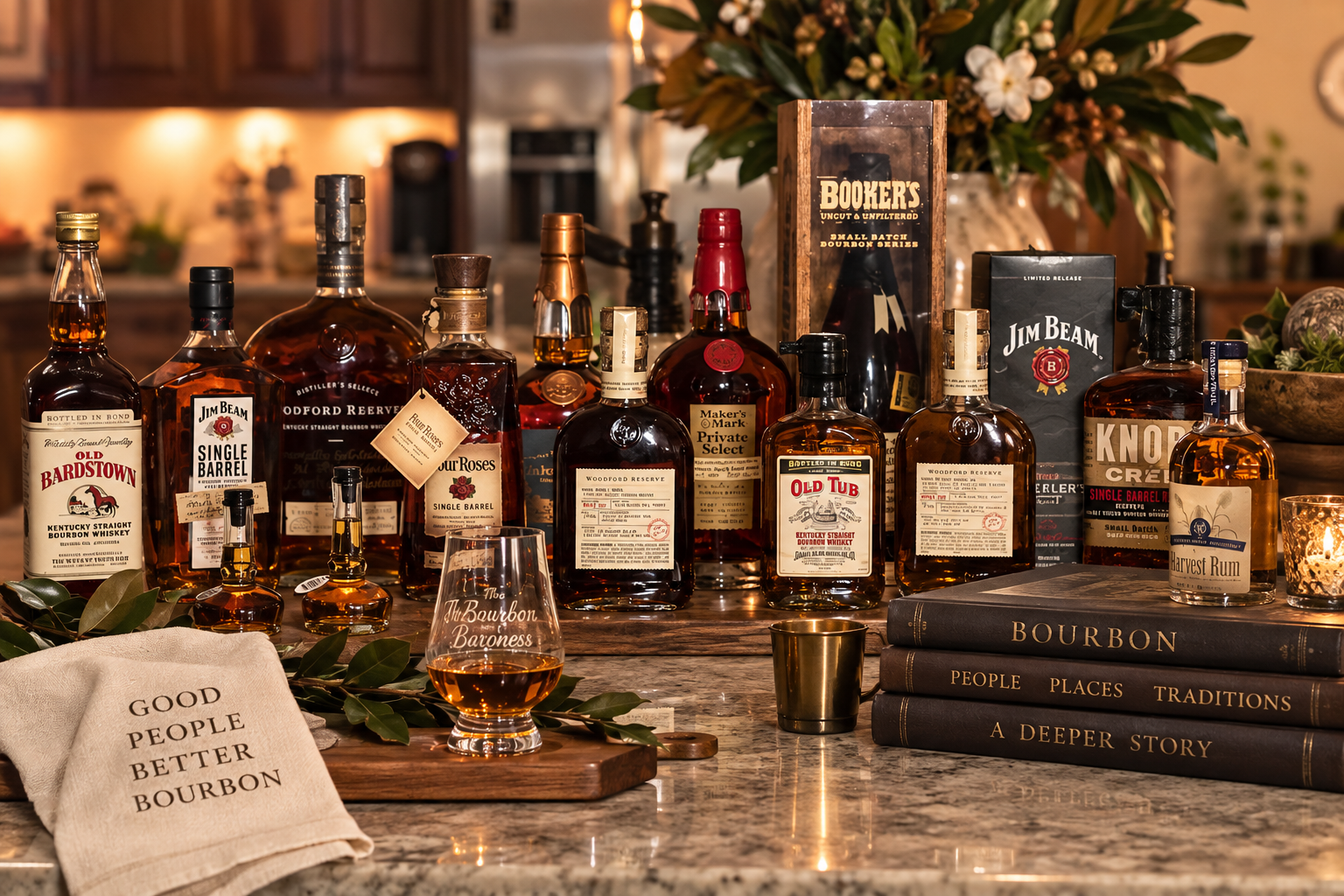
Most of us simply begin reading somewhere around the middle. I’d like to start at the beginning.
Next time, we’ll travel back thousands of years, before Kentucky, before bourbon, before the first American still, to discover the remarkable story of the grain that made it all possible.
